Close EncounterCold War
Pascagoula Abduction
Oct 11, 1973
Pascagoula, Mississippi, USA
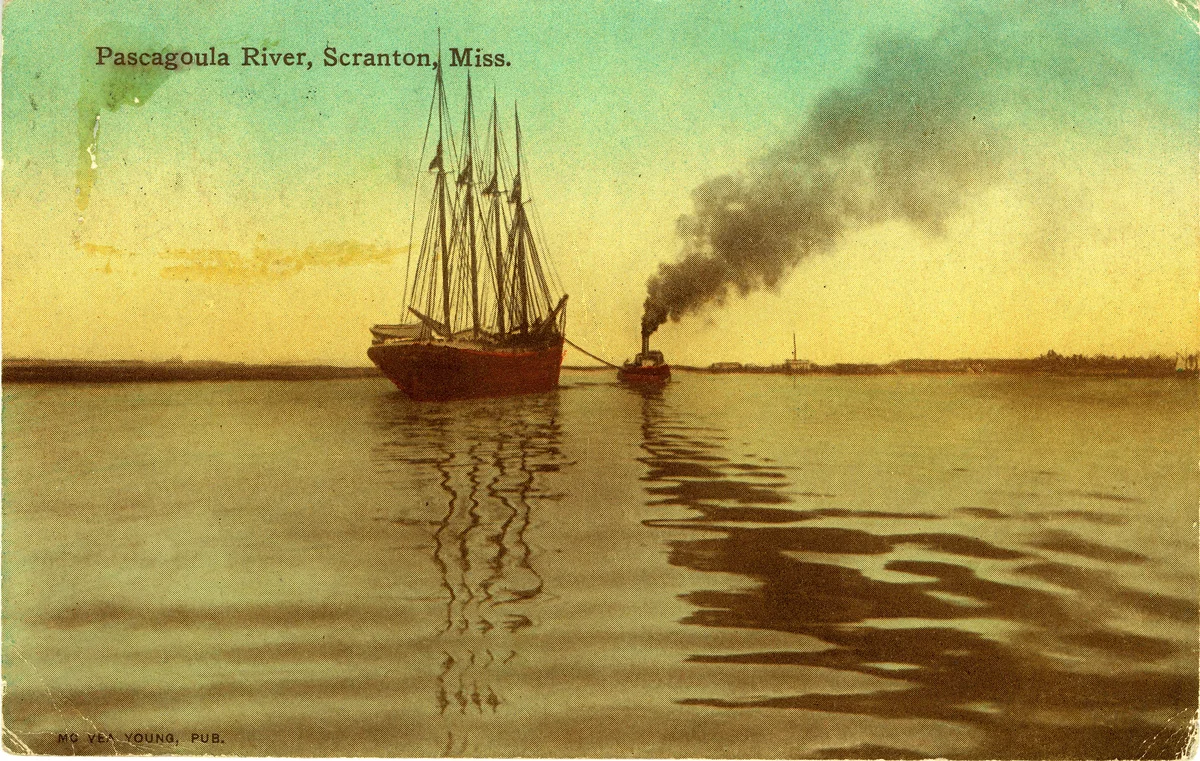
Pascagoula River, Mississippi — Charles Hickson and Calvin Parker reported being levitated aboard a craft from this river bank on October 11, 1973, in one of the most investigated abduction cases on record — Wikimedia Commons / CC BY-SA
Credibility Assessment
Moderate
Multiple WitnessesLaw EnforcementOfficial Report
Event Description
Non-Human Intelligence (NHI)
Abduction
On the evening of October 11, 1973, Charles Hickson, 42, and Calvin Parker, 19, were fishing from a pier on the Pascagoula River in Jackson County, Mississippi, when they reported hearing a buzzing sound and seeing flashing blue lights. An oval craft approximately 8 feet in diameter descended to just above the water near them. Three entities emerged — described as roughly five feet tall, with gray wrinkled skin, claw-like hands, no neck, and a slit where a mouth would be — and floated Hickson and Parker through the air into the craft.
Inside, Hickson reported being floated into a brightly lit room and examined by what appeared to be a mechanical device that moved over his body. Parker, in severe shock, had no clear memory of his time inside. Both men were then floated back to the pier and the craft departed rapidly. Parker immediately collapsed. Hickson, though shaking, drove them to the Jackson County Sheriff's Office.
At the sheriff's office, Sheriff Fred Diamond and Captain Glenn Ryder interviewed both men separately. Seeking to test their credibility, the officers left them alone in the interview room with a hidden recording device. The recording captured Hickson and Parker continuing to talk in visible distress — Hickson saying 'I got to get home and see about my wife and them kids,' and Parker repeating 'It's hard to believe... Oh God, it's awful.' Neither man acted as though they were fabricating a story when they believed they were unobserved. The tape remains one of the most persuasive pieces of secondary evidence in the abduction literature.
Hickon subsequently passed a polygraph administered by polygraph expert Scott Glasgow. Parker refused to take one at the time, citing his psychological state — he later took and passed a polygraph in 2019. Dr. J. Allen Hynek, the Air Force's former chief scientific consultant on UAP and the astronomer who originated the 'Close Encounter' classification system, flew to Mississippi and interviewed both men personally. He found them credible and shaken. James Harder, a University of California engineering professor and APRO director, conducted hypnotic regression on both men and found their accounts consistent under hypnosis.
The case received national and international press coverage and was formally investigated by the Air Force, which classified its findings. It remains one of the most robustly documented abduction cases in American history — notable for the covert recording, independent polygraph confirmation, and the credentialed investigators who vouched for the witnesses.
5 Observables Detected
Instantaneous Acceleration
Hypersonic Velocity
Low Observability
Trans-Medium Travel
Anti-Gravity Lift
Suspicious Activity
Intelligence Agency
Cover-up Actions
Men in Black
Disinformation
Witness Suppression