
Credibility Audit
4 factors- Military Witness+3
- Multiple Witnesses+2
- Official Report+1
- Congressional Record+4
- 0–3
- 4–7
- 8–11
- 12–16
- 17+
DoD Observables
2 of 5- Instantaneous Acceleration
- Hypersonic Velocity
- Low Observability
- Trans-Medium Travel
- Anti-Gravity Lift
Event Description
Craft morphology
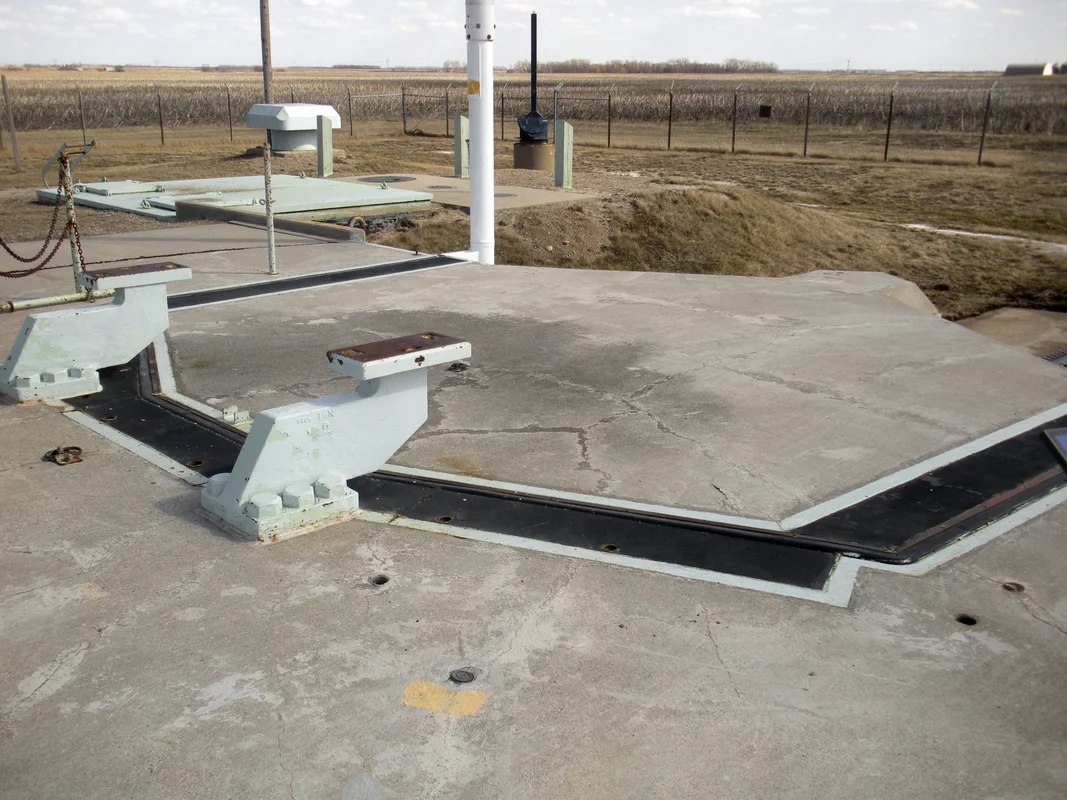
On March 16, 1967, Captain Robert Salas was on duty as a Minuteman I ICBM launch control officer in the Echo Flight Launch Control Facility, located approximately 60 feet underground at Malmstrom Air Force Base in Montana. At approximately 3:00 AM, the flight security controller topside called Salas to report that a glowing, red oval-shaped object was hovering silently directly above the facility's front gate. Salas initially dismissed the report and asked to be updated. Within minutes, a second call reported the object was still present and the guards were frightened.
As Salas held the phone, he watched the flight status board. One by one, all ten Minuteman I ICBMs assigned to Echo Flight went to 'No-Go' status in rapid succession. Each missile displayed a 'Inhibit' indication on the launch control panel, meaning they could not be launched. The shutdowns occurred in sequence over approximately 30 seconds. Salas immediately notified the senior launch officer in the adjacent capsule. In a separate incident involving Oscar Flight at the same base during the same period, an identical sequence of events occurred, also coinciding with a reported UAP presence above the facility. Across both flights, a total of 16–20 nuclear-armed ICBMs were taken offline.
Boeing engineers assigned to investigate the shutdowns could find no technical cause. The guidance and control systems for each missile are individually hardened and isolated; for all ten to fail simultaneously through a common failure mode was — and remains — considered technically inexplicable. An Air Force investigation found the shutdowns had occurred but could not identify a root cause. The classified incident report was completed but its full contents were not disclosed to Salas or his crew.
Captain Salas was ordered not to discuss the incident. He maintained his silence for over 20 years before testifying publicly at the National Press Club in 1997 alongside other former military officers who described UAP interference at nuclear facilities. He testified again at a larger National Press Club conference in September 2010, organized by researcher Robert Hastings, at which seven US Air Force veterans described UAP incursions at nuclear weapons facilities. Salas has stated under oath that the relationship between the UAP presence and the ICBM shutdowns was direct and unambiguous.