
Credibility Audit
4 factors- Military Witness+3
- Multiple Witnesses+2
- Govt. Acknowledgment+4
- Congressional Record+4
- 0–3
- 4–7
- 8–11
- 12–16
- 17+
DoD Observables
1 of 5- Instantaneous Acceleration
- Hypersonic Velocity
- Low Observability
- Trans-Medium Travel
- Anti-Gravity Lift
Event Description
Craft morphology
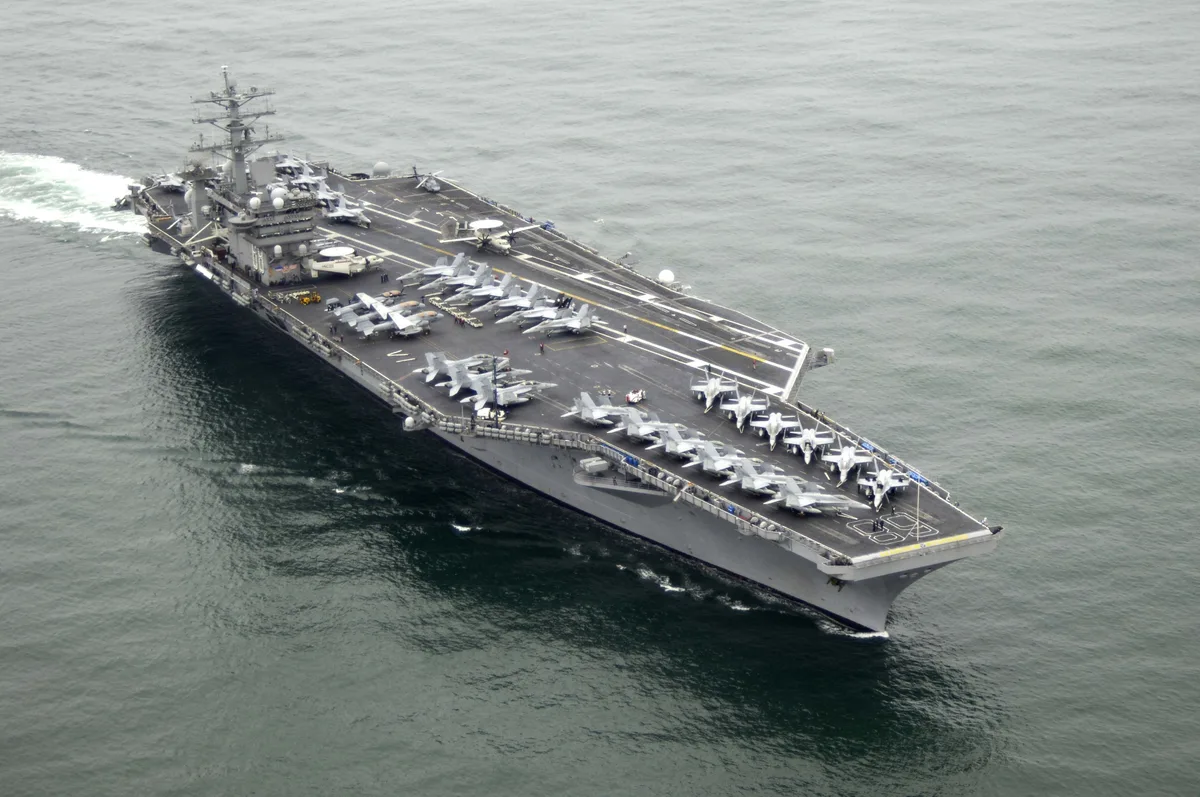
In the days following the November 14, 2004 Tic-Tac UAP encounter by USS Nimitz strike group personnel, multiple crew members report that unknown individuals arrived at Naval Air Station North Island and aboard the USS Princeton and systematically seized all data related to the incident. The seizure reportedly included radar tapes from the Princeton's Aegis fire control system, gun camera footage from participating F/A-18s, and all written records and logs filed by crew during the incident period.
Chief Fire Controlman Kevin Day, the Princeton's senior radar operator who had tracked the anomalous aerial vehicles for multiple days preceding the visual encounter, stated that men in civilian clothing arrived and took all the data — informing crew that the material was classified and that they were not to discuss the encounter. Day described the individuals as presenting no military identification but behaving with apparent authority. Petty Officer Gary Vooris, who had also been involved in radar tracking, corroborated that the data was removed.
The surviving FLIR video — released by the Pentagon in 2020 as the 'FLIR1' or 'Nimitz' video — appears to be a copy made by a crew member before the official seizure, not part of the official record removed by the unknown personnel. This is consistent with the video's relatively degraded quality and the fact that it was not in official DoD custody when first published by The New York Times in 2017.
Lieutenant Commander David Fravor, who flew the intercept, confirmed in multiple public appearances that data was removed and that crew were told not to discuss the event. He stated he was personally told the material would be classified and that he should not talk about it — an instruction he described as unusual even by normal classified program standards, since the personnel delivering the instruction were not in military uniform and did not identify their agency or authority.
The data seizure itself — if accurately described by multiple independent crew witnesses — represents a significant secondary fact in the Nimitz case. It implies that a government or government-adjacent entity had prior standing orders or real-time capability to respond to UAP encounters by classified military assets, and that the response protocol included physical evidence removal. No official explanation for the seizure has been provided by the DoD.